Today, adhesive techniques for partial crowns and bridges have become routine protocol, complementing established treatment options for fixed prosthodontics. Minimally invasive or noninvasive treatmen
$187.91 ex GST
In stock
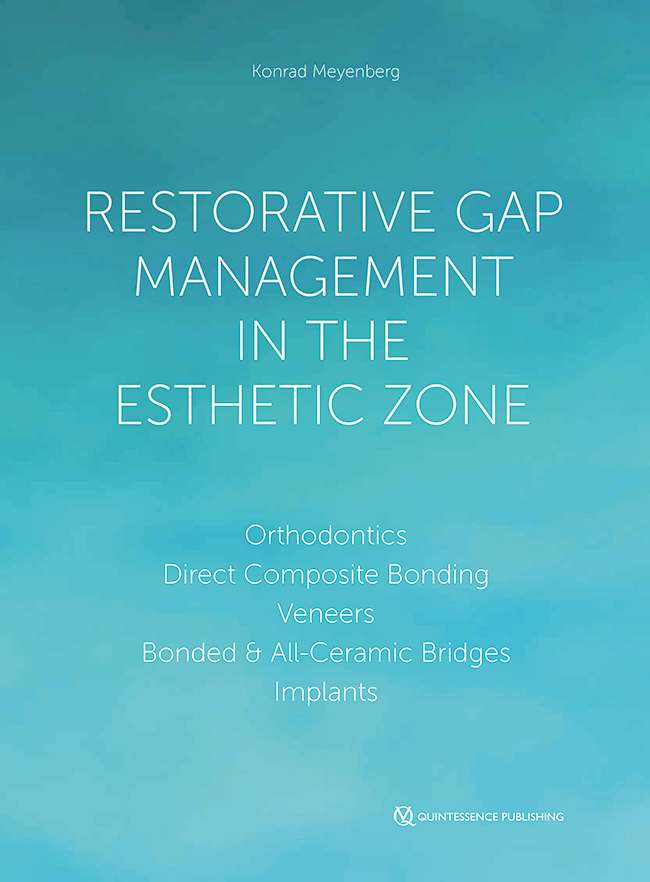
Today, adhesive techniques for partial crowns and bridges have become routine protocol, complementing established treatment options for fixed prosthodontics. Minimally invasive or noninvasive treatment options such as direct bonding with composite, veneers or resin-bonded bridges greatly help to reduce esthetic, technical, and biologic complications and increase the potential for reintervention. Therefore, these alternatives to anterior implants have gained increasing importance. Consequently, this book covers a wide spectrum of therapeutic means to deal with gaps in the anterior region. The content is divided into the following sub-themes: moving (the orthodontic approach), bonding (the restorative, noninvasive approach), placing pontics (the reconstructive approach with bonded or full-crown bridges), and placing implants (the implantologic approach).
The book is based on long-term clinical experience, with cases that are precisely described and richly documented with full-colour images. It is not a literature review but rather a type of atlas that presents its practical and knowledgeable content in the context of the relevant literature. It can therefore be regarded as an inspiring recipe book for clinical success.
Contents
Chapter 1. Some general considerations
Chapter 2. Restorative space management – a multidisciplinary approach
Restorative or reconstructive corrections with or without preceding orthodontic treatment?
Chapter 3. Restorative and reconstructive options
Chapter 4. Case presentations and some technical considerations
Gap closure and substitution of missing teeth
Gap opening and tooth replacement
Adhesive bridges
Conventional bridges
Implants
Gap distribution and restorative compensation
Gap shifting and restorative compensation
Gap compensation exclusively by reconstructive means
Chapter 5. Final remarks
Author
Switzerland, Zürich
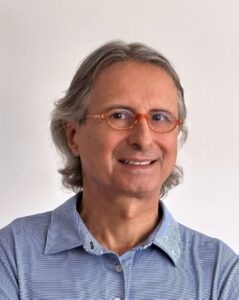
Dr. Konrad H. Meyenberg graduated at the University of Zurich, Switzerland in 1985. From 1988–1992, he completed a 4-year post-graduate program in restorative dentistry at the Department for Fixed and Removable Prosthodontics and Material Sciences (Chairman: Prof. Peter Schärer).
He is certified specialist for Reconstructive Dentistry of the Swiss and European Dental Society (specialty degree since 1993). From 1992–2021, he worked in a private practice limited to esthetic reconstructive dentistry and implantology in Zurich, Switzerland. Since 2022, following the transfer of his practice to Dr Sven Mühlemann, he has focused on international continuing education and training courses in restorative dentistry and implantology, with an emphasis on prosthetics and engineering.Dr. Meyenberg is an Active Member of the European Academy of Esthetic Dentistry (EAED), the Academy of Osseointegration (AO), the Swiss Dental Association (SSO), the Swiss Society for Reconstructive Dentistry (SSRD), the European Dental Association (EDA), and the Swiss Society of Implantology (SSIO), as well as a Fellow of the International Team for Implantology (ITI).He is a member of the editorial boards and serves as a reviewer for the following journals: The International Journal of Periodontics & Restorative Dentistry, Compendium of Continuing Education in Dentistry, and International Journal of Esthetic Dentistry. Since 1990 a well-known speaker at numerous international congresses and events, having presented at more than 500 congresses. Dr. Meyenberg is author of the book “Restorative Gap Management in the Esthetic Zone” published in 2023 by Quintessence Publishing.